
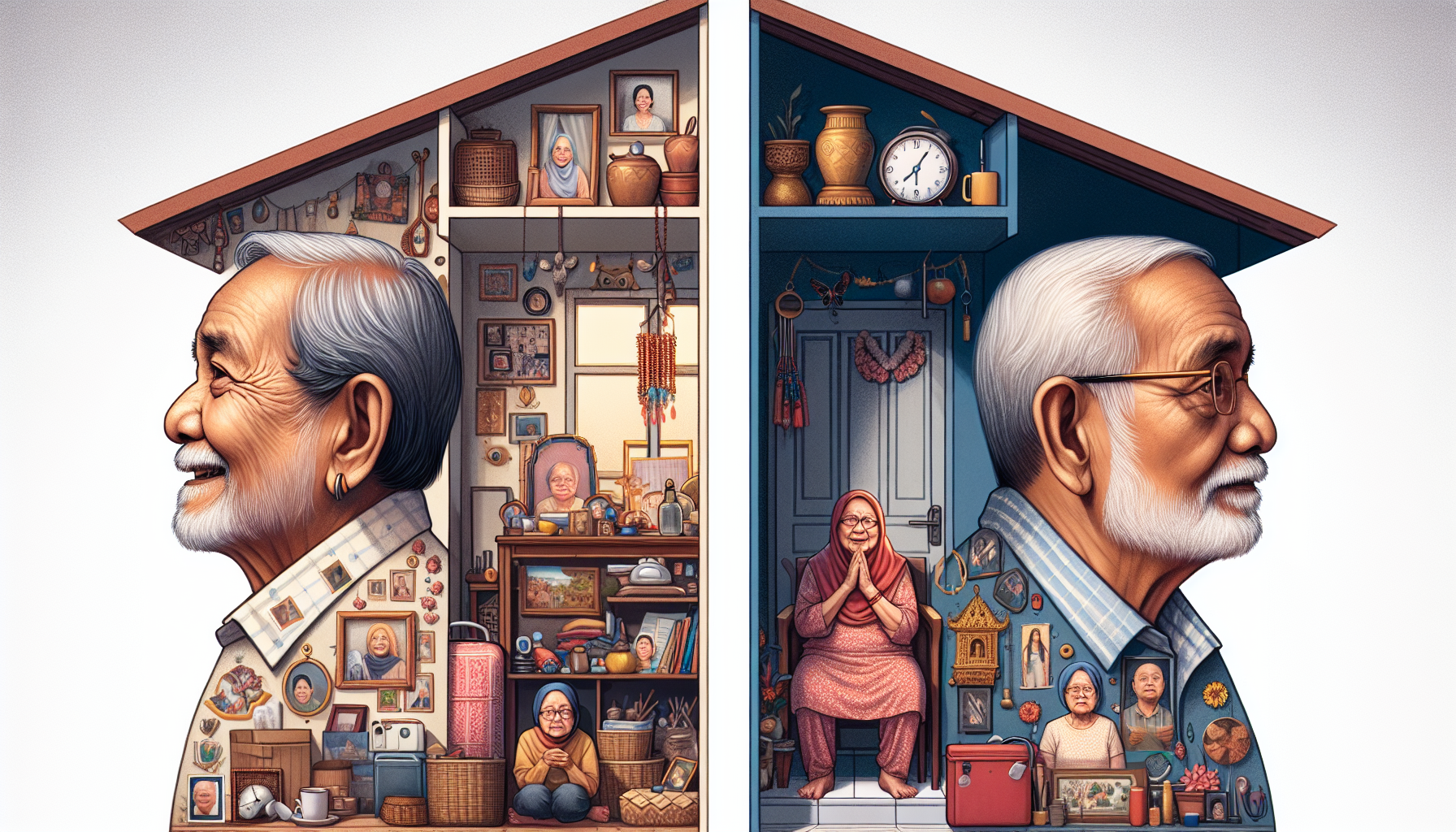
Downsizing has become a buzzword among retirees and pre-retirees aged 50-70, seen as a method to simplify their lifestyle, reduce expenses, and potentially make the golden years more manageable. However, the downsizing home trend might not be the golden ticket to happiness that many believe it to be. In fact, it could have the opposite effect, taking away comfort, familiarity, and treasured memories. Let’s delve into why ‘aging in place’ might be a wiser choice for maintaining your happiness during retirement.
The Myth of Downsizing
Downsizing is often painted as a liberating process. The idea of selling a larger home in favor of a smaller, more manageable property might seem attractive. However, the reality can be quite different. Moving to a new home can be stressful, both emotionally and physically. It often means parting with cherished belongings and memories, which can lead to feelings of loss and sadness. Moreover, moving to a smaller home doesn’t necessarily mean reduced costs. There are property taxes, homeowners’ association fees, and maintenance costs to consider, which can add up.
Aging in Place: The Real Key to Happiness?
Aging in place, which refers to the concept of staying in your own home as you get older, is an alternative that more retirees are considering. According to a study by AARP, nearly 90% of people over the age of 65 want to stay in their home for as long as possible. They prefer to live amongst familiar surroundings and close to family and friends, which contributes greatly to their happiness and overall well-being.
One of the keys to successfully aging in place is making necessary home modifications that cater to seniors’ needs. These can include installing grab bars in the bathroom, improving lighting, and adding a ramp for easier access. Adapting your home to meet your changing needs can provide a sense of security and comfort that a new, downsized home might not offer. For more tips on how to age in place successfully, check out these 7 must-know hacks.
The Financial Side of Aging in Place
While home modifications for seniors can involve some cost, it’s often less expensive than the costs associated with moving and downsizing. Moreover, some expenses can be mitigated through various resources. For example, there are grants and loans available to seniors for making home modifications, and certain changes may qualify for tax deductions. Additionally, aging in place can also mean that your home continues to appreciate in value, providing a more significant asset for your heirs. For more information on financial planning in retirement, consider reading about the top 7 estate techniques most planners overlook.
Conclusion
While downsizing might seem like an appealing path to a simpler, more cost-effective lifestyle, it’s essential to weigh all factors before making a decision. Consider the emotional impact of leaving your cherished home, the actual costs of moving and maintaining a new property, and the potential benefits of aging in place. With careful consideration, you can make a choice that truly enhances your happiness and well-being during your golden years.